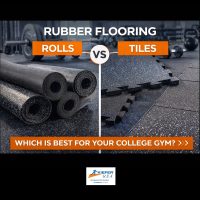
Rubber Flooring Rolls vs Tiles: Which is Best for Your College Gym and Weight Room?
When designing a college gym, choosing the right flooring is about more than just appearance, it directly impacts performance, safety, durability, and long-term maintenance. With high foot traffic, heavy equipment, free weights, and constant activity, athletic spaces require flooring that can withstand daily wear while supporting student athletes and recreational users alike.
Two of the most popular options for fitness facilities are rubber flooring rolls and rubber flooring tiles. Both offer strong performance and protection, but they differ in installation, maintenance, customization, and cost. Understanding how these options compare can help colleges make an informed decision that fits their budget, usage demands, and facility goals.
In this guide, we break down the key differences between rubber flooring rolls and tiles to help you determine which solution is best for your college facility.
What Is the Difference Between Rubber Flooring Rolls and Rubber Tiles?
Rubber flooring rolls and rubber tiles are both durable, impact-resistant options commonly used in college gyms, but they differ in structure, installation, flexibility, and overall performance.
Rubber flooring rolls come in large, continuous sheets that are unrolled and installed across wide areas. Because they cover large spaces with fewer seams, they create a smooth, seamless appearance and are often ideal for gyms, larger weight rooms, and training spaces. Rolls typically require professional installation and precise cutting to fit around equipment, walls, and structural elements.
Rubber flooring tiles, on the other hand, are individual interlocking or glue-down pieces that are installed one by one. Tiles offer greater flexibility during installation and make it easier to replace damaged sections without removing the entire floor. They work well in spaces that may need future reconfiguration or targeted repairs. Tiles are often ideal for fitness areas, weight rooms and small home gyms.
In terms of durability, both options provide strong impact absorption, noise reduction, and protection for subfloors. However, rolls may offer a more uniform surface with fewer seams, while tiles provide easier maintenance and customization. The right choice often depends on the size of the space, installation preferences, budget, and long-term facility needs.
👉 Not sure which structure fits your facility layout?
Kiefer USA can evaluate your gym’s square footage, traffic flow, and equipment placement to recommend the right solution before you finalize your upgrade plan.
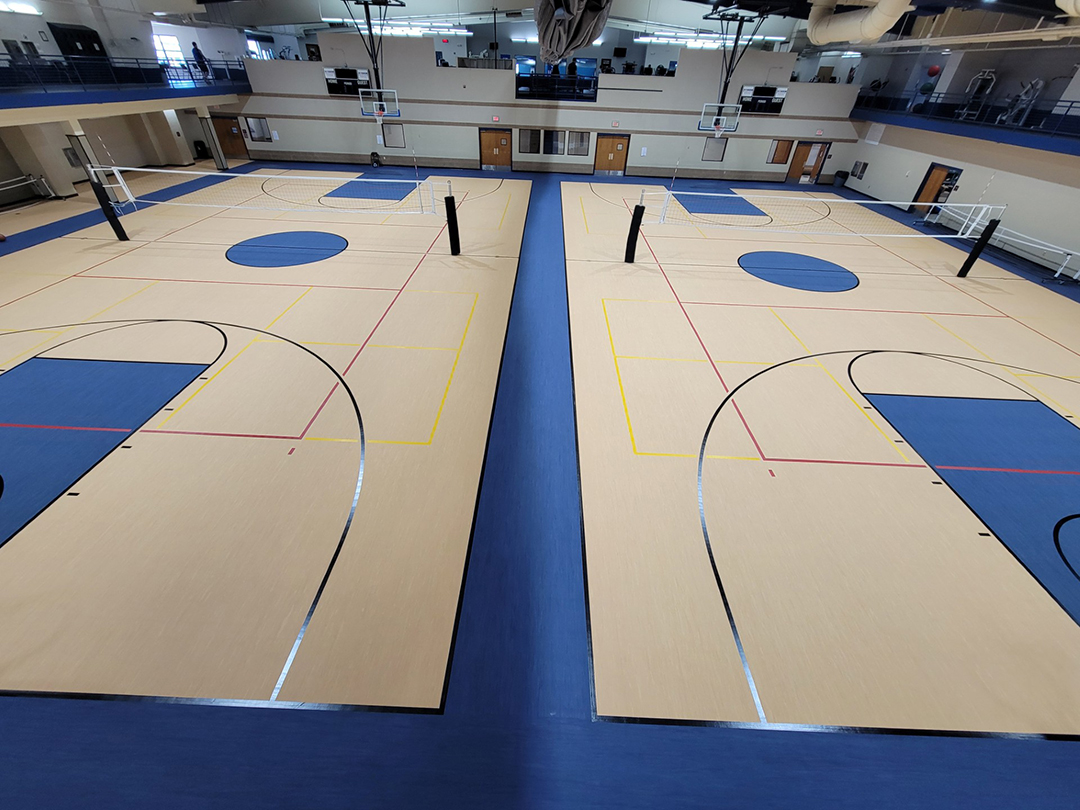
Performance Comparison: Rubber Flooring Rolls vs Rubber Tiles
When evaluating flooring for a college gym, performance is one of the most important factors to consider. Rubber flooring rolls deliver strong durability and protection and is the preferred flooring for larger gyms. Rubber flooring rolls and rubber tiles both perform differently depending on how the space is used and maintained.
- Impact absorption and shock resistance: Both options provide excellent cushioning for free weights, cardio equipment, and high-intensity training areas. Rubber rolls often deliver a slightly more uniform surface, which can enhance stability for activities that require smooth transitions and consistent footing. Rubber tiles also absorb impact effectively but may have minor seam lines that can become more noticeable over time.
- Durability under heavy traffic: College gyms experience constant use, heavy equipment movement, and high foot traffic. Rubber rolls typically perform well in large open areas because they reduce seam stress and limit the risk of shifting. Tiles are also highly durable, but their modular design means edges and interlocking points must be installed properly to prevent separation or lifting.
- Maintenance and repair: Rolls generally require surface cleaning and routine care but can be more challenging to repair if damaged, as sections may need to be cut out and replaced carefully. Tiles offer easier spot repairs as damaged pieces can be removed and swapped out individually without disturbing the entire floor.
Ultimately, both flooring types provide strong performance in athletic settings. The best option depends on whether your facility prioritizes seamless coverage and uniformity or flexibility and easier long-term maintenance.
🏟️ Need help matching performance specs to your athletic programs?
Kiefer USA’s flooring specialists can review your safety, shock absorption, and durability requirements to ensure your gym flooring supports peak athlete performance.
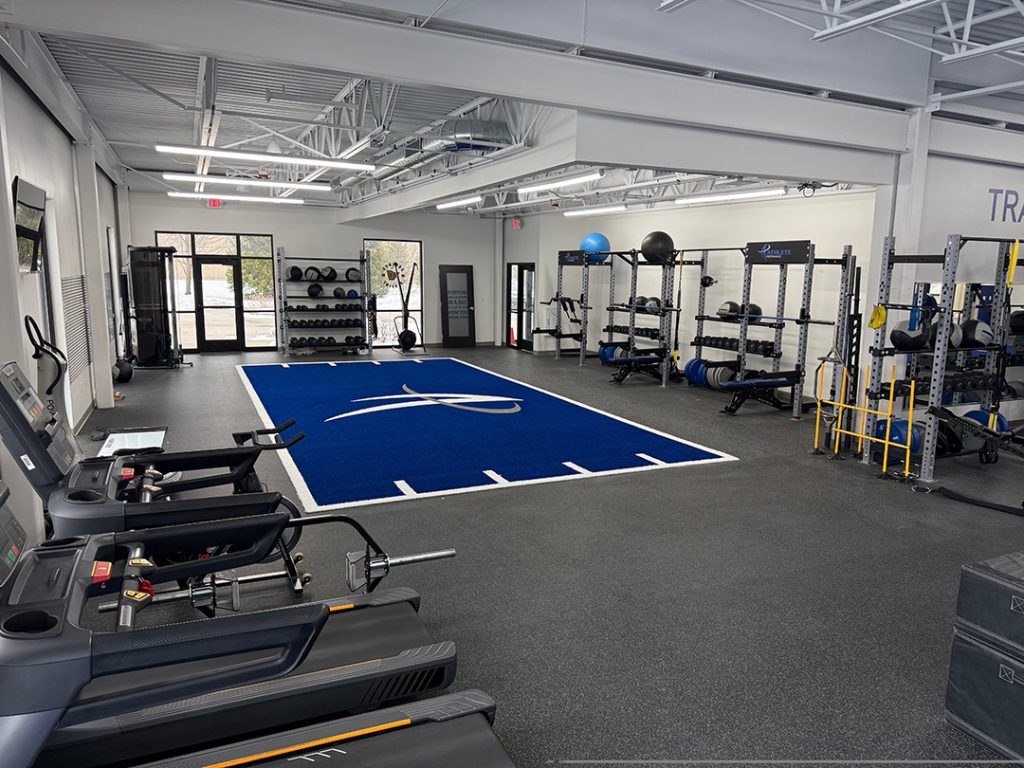
Cost Comparison: Rubber Flooring Rolls vs Rubber Tiles
When planning a college gym renovation or flooring installation, budget plays a major role in determining which flooring option makes the most sense. Rubber flooring rolls and rubber tiles each come with unique cost implications, not just in terms of material pricing, but also installation, maintenance, and long-term value.
- Material Costs: Rubber tiles are often more affordable upfront than rubber rolls. Because tiles are produced in smaller pieces and are easier to ship and handle, the per-square-foot price tends to be lower, especially for basic interlocking options. Rolls, particularly those made from premium or recycled rubber with higher thicknesses, can have a higher material cost due to manufacturing and transportation of large continuous sheets.
- Installation Costs: Installation expenses can swing the scale for either choice. Rubber tiles are typically easier and quicker to install, which can reduce labor costs and in some cases, facilities teams can install tiles themselves with basic tools. Rolls usually require professional installation for precise cutting, seaming, and adhesive application, which increases labor costs. However, for larger areas, the continuous nature of rolls may result in faster installation once in place, potentially offsetting some labor expenses.
- Maintenance & Lifespan: Over time, maintenance and repair costs factor into overall value. Tiles can be more cost-effective to maintain because individual damaged pieces can be replaced without redoing the entire floor. Rolls may require more careful maintenance and potentially more expensive repairs if large sections are damaged, since matching and replacing cut sections can be labor-intensive.
- Hidden Costs & Long-Term Value: Consider hidden or long-term costs such as downtime during repairs, replacement frequency, and surface longevity. Well-installed rolls may have fewer seams which can translate into reduced wear points while tiles offer flexibility and targeted repairs that can save money in high-impact zones.
In summary, rubber tiles typically have lower upfront and installation costs, while rolls can offer long-term value in certain large or specialized gym settings. The best choice depends on your institution’s budget priorities, space size, and expectations for maintenance and lifespan.
💰 Planning around a fixed budget cycle?
Kiefer USA can provide phased budgeting options, material cost comparisons, and installation planning to help you maximize value before submitting capital requests.
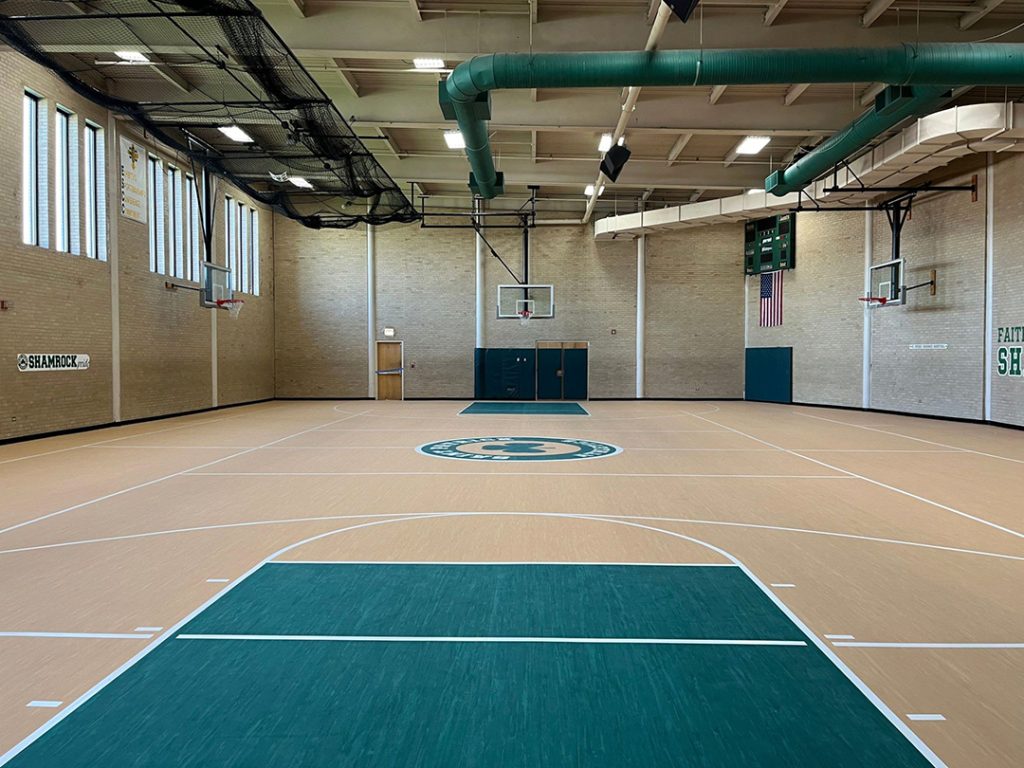
Which Is Right for Your Gym?
Choosing between rubber flooring rolls and rubber tiles ultimately comes down to how your college gym is used, how often the space is reconfigured, and what your facility priorities are.
If your gym features large open training areas, heavy weightlifting zones, or athletic performance spaces that require a clean, seamless surface, rubber flooring rolls may be the better fit. Their continuous design creates a smooth look with fewer seams and provides strong stability for high-impact activities. They also work well in permanent layouts where the flooring design is not expected to change frequently.
On the other hand, rubber tiles may be ideal for facilities that value flexibility and ease of maintenance. If your gym layout changes over time, equipment is frequently moved, or you want the ability to replace damaged sections quickly and efficiently, tiles offer practical advantages. Their modular design makes them a smart option for spaces that experience localized wear or require simple, cost-effective repairs.
Ultimately, both flooring options deliver durability, safety, and performance, the right choice depends on your budget, installation preferences, and long-term facility goals. Evaluating your gym’s traffic patterns, equipment load, and future plans will help ensure you select a flooring solution that supports your athletic programs for years to come.
📋 Ready to make a confident decision?
Schedule a consultation with Kiefer USA to review your gym’s usage patterns, future expansion plans, and long-term maintenance goals — and choose a flooring solution built to perform for years to come.
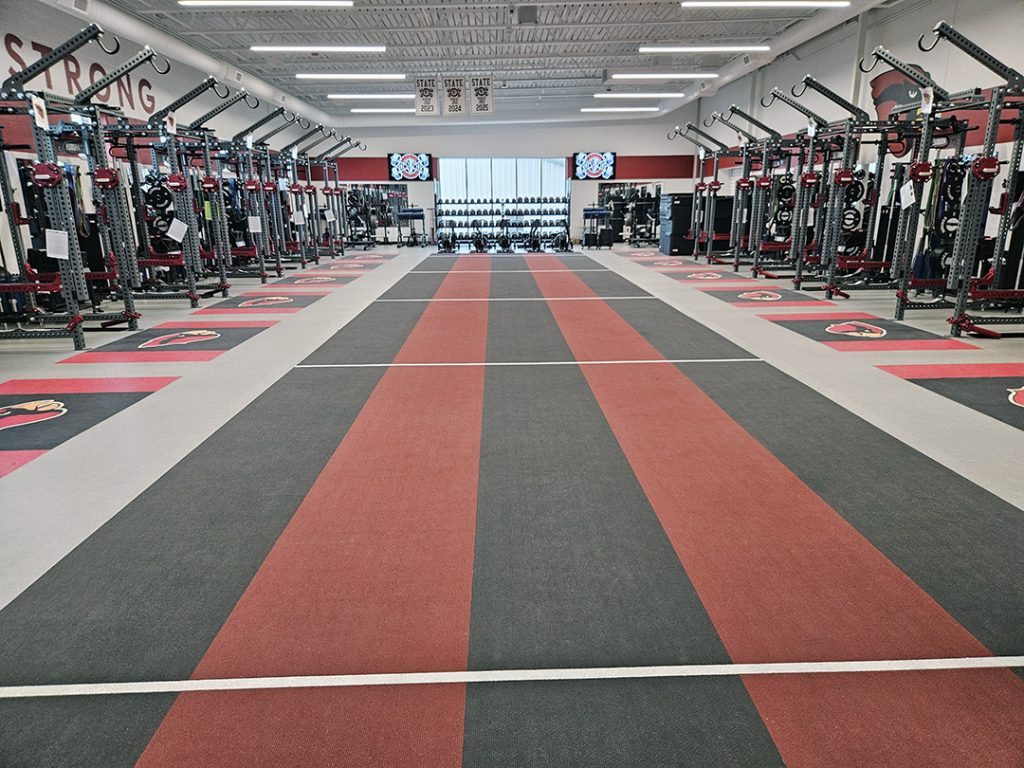
Rubber Flooring Rolls vs Rubber Tiles FAQs
Which option is more durable for a high-traffic college gym — rubber rolls or rubber tiles?
Rubber flooring rolls are highly durable and designed to withstand heavy use, equipment weight, and constant foot traffic. Rolls often provide a seamless surface that reduces seam wear in large open areas.
Can rubber flooring rolls or tiles be installed over existing floors?
In many cases, yes — both options can be installed over properly prepared existing surfaces such as concrete or certain subfloors. However, the surface must be clean, level, and free of moisture issues to ensure proper adhesion and performance. Professional installation is recommended to achieve the best results and long-term stability.
Which option is more cost-effective long term?
Rubber tiles typically have lower upfront material and installation costs. However, rubber rolls may provide long-term value in larger facilities due to reduced seam wear and a more continuous surface. The best financial decision depends on space size, traffic levels, and maintenance strategy.
Do rubber rolls or tiles provide better shock absorption?
Both options offer strong shock absorption and subfloor protection. Performance depends more on thickness and material density than format. Higher-density products provide better impact resistance in free-weight and strength-training zones.
Which flooring option is easier to repair?
Rubber tiles are easier to repair because damaged tiles can be individually removed and replaced. Rubber rolls require cutting out and patching sections, which may involve more labor.
Are rubber rolls or tiles better for noise reduction in multi-level facilities?
Both provide sound dampening benefits, but thicker rubber materials offer greater vibration and noise control. In multi-level recreation centers, added underlayment or increased thickness can improve acoustic performance.
Do rubber flooring options meet safety and indoor air quality standards?
Many high-quality rubber flooring systems, including GREENGUARD-certified options, meet indoor air quality standards. Always verify product certifications, slip resistance ratings, and compliance with institutional safety requirements.
Can colleges combine rubber rolls and tiles in the same facility?
Yes. Many facilities use a hybrid approach — rolls in large open training areas and tiles in targeted strength or high-impact zones. This approach balances performance, flexibility, and long-term maintenance efficiency.
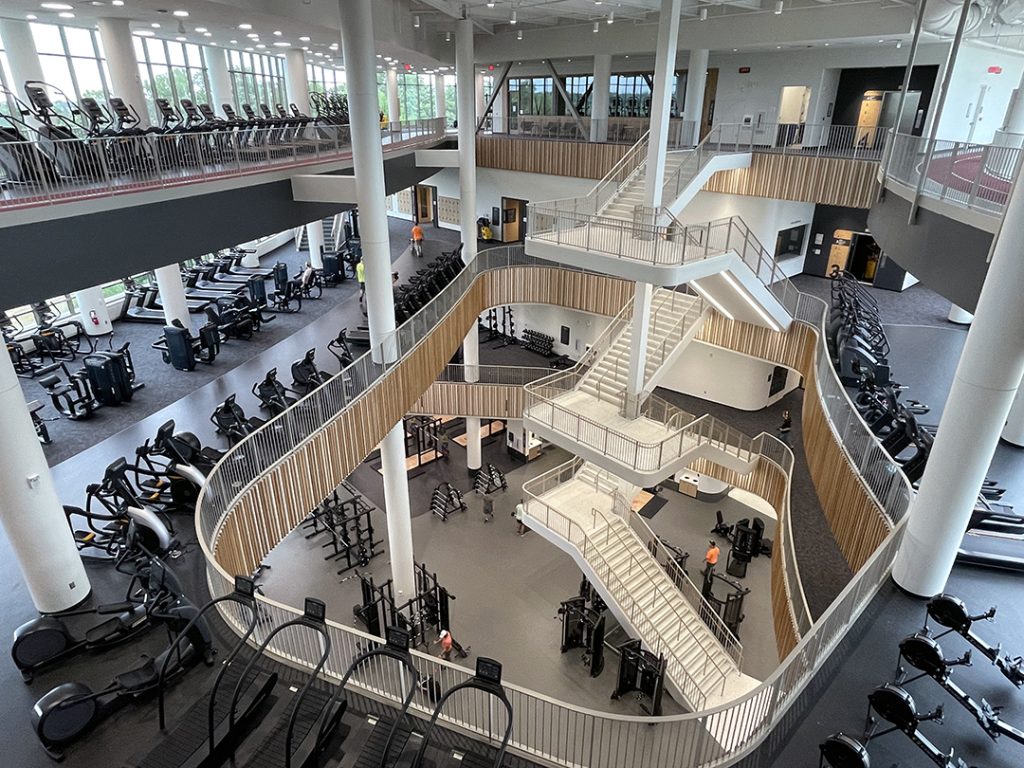
Ready to Upgrade Your Gym Flooring?
Choosing the right rubber flooring for your college facility is about more than comparing tiles and rolls — it’s about selecting the correct system for the correct space.
For collegiate athletic facilities, it’s important to note:
- Rubber tiles are not recommended for full gymnasium competition floors. They are best suited for weight rooms, fitness centers, and strength-training spaces, where modular flexibility and spot replacement are beneficial.
- Rubber tracks and performance gym surfaces are only available in rolls — not tiles.
In fact, most of our collegiate gymnasium and fieldhouse projects are completed using Mondo Advance, a high-performance vulcanized rubber surface installed exclusively in roll format. Mondo Advance is engineered for competitive athletics, multi-sport performance, and long-term durability in university fieldhouses and gymnasiums.
Unlike modular systems, roll-installed performance flooring provides:
- Seamless playability
- Consistent shock absorption
- Enhanced durability for large athletic surfaces
- Professional-grade appearance for collegiate competition environments
If your project involves a competition gym, fieldhouse, or indoor track, roll systems such as Mondo Advance or Mondo Super X 720 are the appropriate solutions. For weight rooms or fitness centers, rubber tiles or rolls may both be viable depending on the layout and maintenance strategy.
Work With a Partner Who Understands the Difference
Kiefer USA has decades of experience guiding colleges and universities through the specification process — ensuring the right surface is installed in the right environment.
Whether you’re upgrading:
- A competition gym floor
- A collegiate fieldhouse
- An indoor track
- Or a strength and conditioning facility
Our team will help you evaluate performance requirements, budget considerations, and long-term maintenance expectations to ensure your flooring investment supports your athletic programs for years to come.
🎯 Let’s align your flooring upgrade with your facility’s long-term goals.
Contact Kiefer USA for a site evaluation and product consultation tailored specifically to college fitness centers, weight rooms, and athletic training facilities.