



Gym flooring rarely fails all at once. Instead, the warning signs tend to show up gradually such as a seam lifting near the dumbbell rack, a platform that sounds hollow underfoot, or a stale odor in the free weight area that lingers long after cleaning. Each issue may seem minor enough to repair, but several small problems can add up to a floor that has outlived its useful life.
For gym owners and facility managers, knowing when to replace fitness flooring is about more than appearance or maintenance costs. Worn surfaces can lose their traction and impact absorption, creating safety concerns for members while allowing moisture and other damage to reach the subfloor. Putting off replacement can turn a manageable flooring project into a much more expensive repair. This guide covers the key warning signs to watch for and includes a practical checklist to help you assess the condition of your facility’s flooring.
When to replace gym flooring: Replace a gym floor when it shows damage that cleaning and spot repairs no longer fix, such as seams that keep lifting, permanent dents under equipment, cracked or crumbling rubber, slick or hardened areas, lingering odor, or signs of moisture underneath. Any defect that creates a trip or slip hazard calls for immediate action.
Not Sure Whether Your Fitness Flooring Needs to Be Replaced?
A flooring evaluation can help you determine whether isolated repairs are enough or whether it is time to start planning for replacement. Kiefer USA can assess your existing flooring, subfloor conditions, facility usage, and performance needs to help you make an informed decision.
Planning a flooring upgrade or building next year’s facility budget? Talk with a Kiefer USA flooring specialist about your options.
Structural Warning Signs
Structural problems affect the flooring system itself, including the surface material, the adhesive or interlocking connections that hold it in place, and the subfloor underneath. These issues rarely improve on their own. What starts as a loose seam or small soft spot can spread, making early detection important.
Watch for these signs:
- Gaps, curling, or lifting seams: Pay particular attention to the edges of rolled rubber flooring and transitions between workout zones.
- Shifting or rocking tiles: Individual tiles that separate or move underfoot may indicate worn connections or an unstable base.
- Permanent indentations: Deep dents beneath weight racks, benches, and exercise machines that remain after equipment is moved suggest the flooring has lost its ability to recover.
- Cracks, tears, or missing material: Damage in drop zones, especially around lifting platforms and dumbbell areas, can expose the layers underneath.
- Bubbles or soft spots: These may indicate adhesive failure or moisture migrating through the concrete slab.
- Hollow sounds beneath wood flooring: Areas that sound different when walked on may point to a loose or deteriorating subfloor system.
A single lifted seam may only need to be re-glued but repeated seam issues are a different story. If the same areas keep separating or damage appears across multiple workout zones, the flooring may be nearing the end of its service life. At that point, continued repairs are likely to offer only temporary relief.
Moisture problems also deserve special attention. Bubbling, soft spots, or persistent musty odors can indicate an underlying issue that won’t go away with new flooring. Have the concrete slab inspected and tested before installing a replacement surface. Otherwise, moisture may cause the new floor to fail just as quickly as the old one.
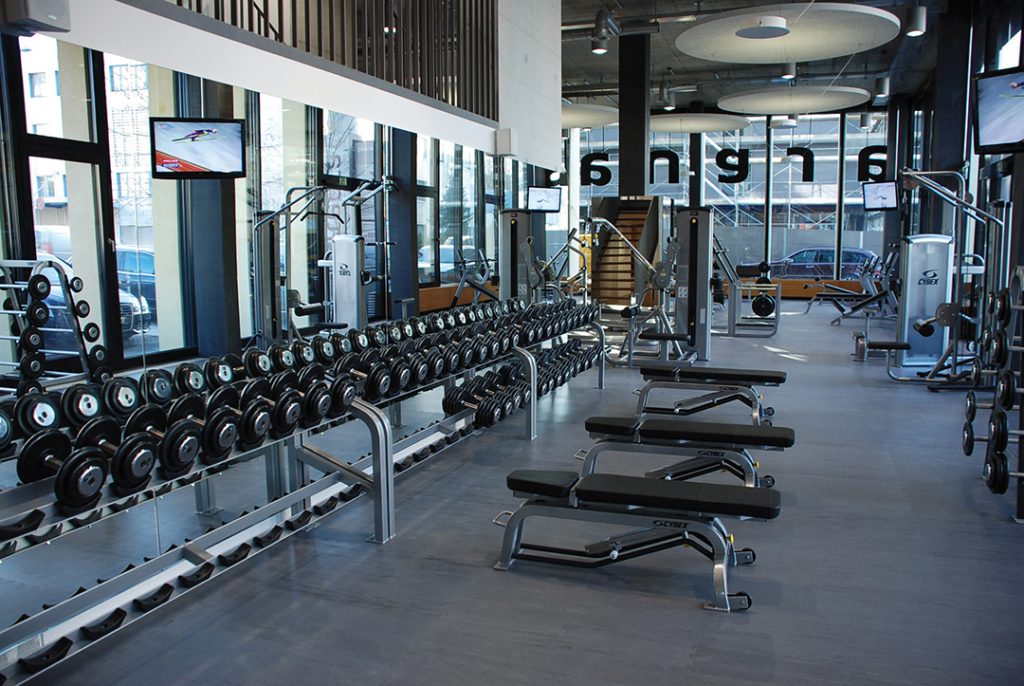
Athlete Safety Concerns
A fitness floor can look fine on the surface and still create safety risks. As rubber ages, it can become harder and lose its grip. Cushioned flooring systems also compress over time, reducing their ability to absorb impact. As a result, the surface your members train on may no longer provide the support and stability it did when first installed.
Watch for these warning signs:
- Raised edges and uneven transitions: Lifted seams, gaps between tiles, and curled corners can catch a foot during lunges, sled pushes, or loaded carries.
- Worn or slippery patches: Areas where the surface texture has smoothed out are more likely to cause slips, particularly near cardio equipment and facility entrances.
- Uneven cushioning: Spots that feel noticeably harder than the surrounding floor may have lost their shock-absorbing properties.
- Unstable equipment: Uneven surfaces can cause barbells to roll, benches to wobble, and machines to sit improperly.
- Increased noise and vibration: Dropped weights that produce more noise or vibration than they once did may indicate that the flooring is no longer absorbing impact effectively.
- Member complaints and near misses: Reports of slips, joint discomfort, or balance problems concentrated in one area deserve attention.
Pay particular attention to feedback from trainers and members. They use the floor every day and may notice changes in traction, cushioning, or stability before those problems become obvious during a routine inspection. Incident reports can also help identify problem areas and document recurring safety concerns.
Don’t leave a known hazard in service while deciding what to do next. Temporarily block off or cover unsafe areas as soon as you identify them, then determine whether a repair will restore safe conditions or the flooring needs to be replaced. Addressing these problems promptly helps protect members and reduces your facility’s exposure to preventable injury claims.
Address Flooring Problems Before They Affect Your Facility
Recurring flooring problems can become more expensive when they begin affecting the subfloor, equipment stability, or athlete safety. Kiefer USA can help facility managers evaluate high-wear areas and determine whether repair, phased replacement, or a larger flooring project makes the most sense.
Maintenance Failures
Sometimes the clearest sign that fitness flooring needs replacement shows up during routine cleaning. When the same products and procedures that kept the floor looking good for years no longer deliver results, the surface may have deteriorated beyond what regular maintenance can fix.
Watch for these signs:
- Persistent odors: Musty or unpleasant smells that return within hours of cleaning may indicate that sweat and moisture have penetrated the flooring or collected underneath it.
- Stubborn stains and discoloration: Marks that remain even after using the manufacturer’s recommended cleaning products may indicate that the surface has become too worn or porous to clean effectively.
- Excessive material breakdown: Rubber flooring that sheds granules, produces black dust, or leaves residue on hands and clothing may be deteriorating.
- Worn wood finishes: Traffic lanes where the protective finish has worn through to bare wood may need refinishing or more extensive replacement.
- Recurring repair needs: Repeated maintenance requests for the same sections of flooring suggest that individual repairs are no longer addressing the underlying problem.
- Rising cleaning costs: Increasing labor hours and cleaning product expenses, especially when the floor continues to look worse, can signal that replacement is becoming the more practical option.
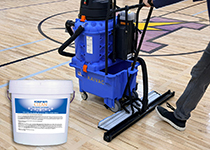
Worn, porous rubber is also more difficult to keep clean and sanitary, particularly in stretching areas where members spend time on the floor. However, before deciding the surface needs replacement, review your maintenance procedures. Harsh degreasers, excessive water, and abrasive scrubber pads can accelerate wear and shorten the life of fitness flooring.
If your cleaning routine follows the manufacturer’s recommendations and the floor still won’t come clean, the problem may be the condition of the material itself. At that point, replacing the surface may be more effective than continuing to invest in maintenance that produces diminishing results.
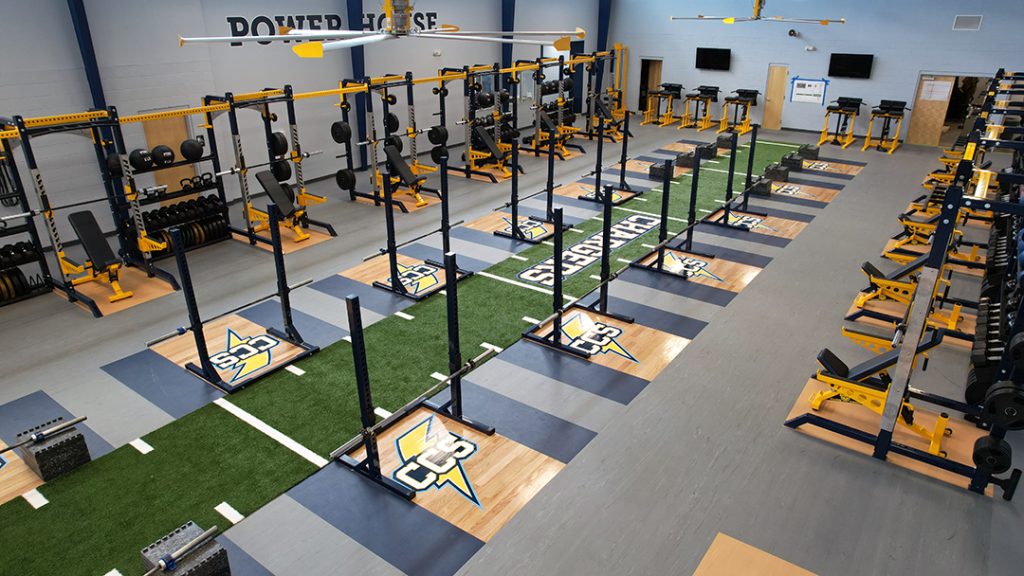
Replacement Checklist
Use this checklist to evaluate your facility’s flooring during a scheduled walkthrough. Inspect each workout area separately, since weight rooms, group fitness studios, and cardio areas experience different types and levels of wear.
| Check | Fitness Flooring Warning Sign |
|---|---|
| ☐ | Seams or tiles are lifting, separating, or shifting in multiple locations. |
| ☐ | Heavy equipment has left permanent dents or indentations in the surface. |
| ☐ | Rubber flooring is cracked, torn, or crumbling in weight drop zones. |
| ☐ | Bubbles, soft spots, or other signs of moisture are present. |
| ☐ | Raised edges or slippery patches create potential trip or fall hazards. |
| ☐ | Certain areas feel harder underfoot or produce more noise than they used to. |
| ☐ | Odors or stains persist despite following proper cleaning procedures. |
| ☐ | The same sections of flooring have required repeated repairs. |
| ☐ | The flooring is past its warranty period, or its installation date is unknown. |
| ☐ | The facility’s activities have changed since the flooring was originally installed. |
Any signs of moisture or an immediate trip or slip hazard warrant a professional evaluation as soon as possible. If you check three or more of the remaining items, start planning and budgeting for replacement, even if the floor can remain in service a little longer.
Don’t overlook the final item. A flooring system originally selected for cardio machines and standard strength training may not be suitable for a facility that has since added Olympic lifting, sled work, or other high-impact activities. Your flooring needs to match how members use the space today, not how the facility operated when the surface was installed.
Planning Your Next Flooring Capital Project?
If several items on the checklist apply to your facility, now is the time to begin evaluating options, costs, and installation schedules. Kiefer USA can help you identify priority areas, compare flooring systems, and develop a project plan that works around your facility’s operating schedule.
Fitness Flooring Solutions from Kiefer USA
Replacing your flooring is an opportunity to match each area to how members use it today rather than installing the same product throughout the facility. Kiefer USA supplies and installs flooring for health and fitness clubs, with solutions designed for nearly every space in a gym.
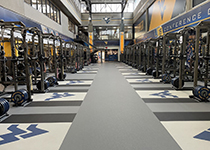
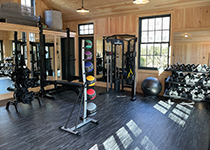
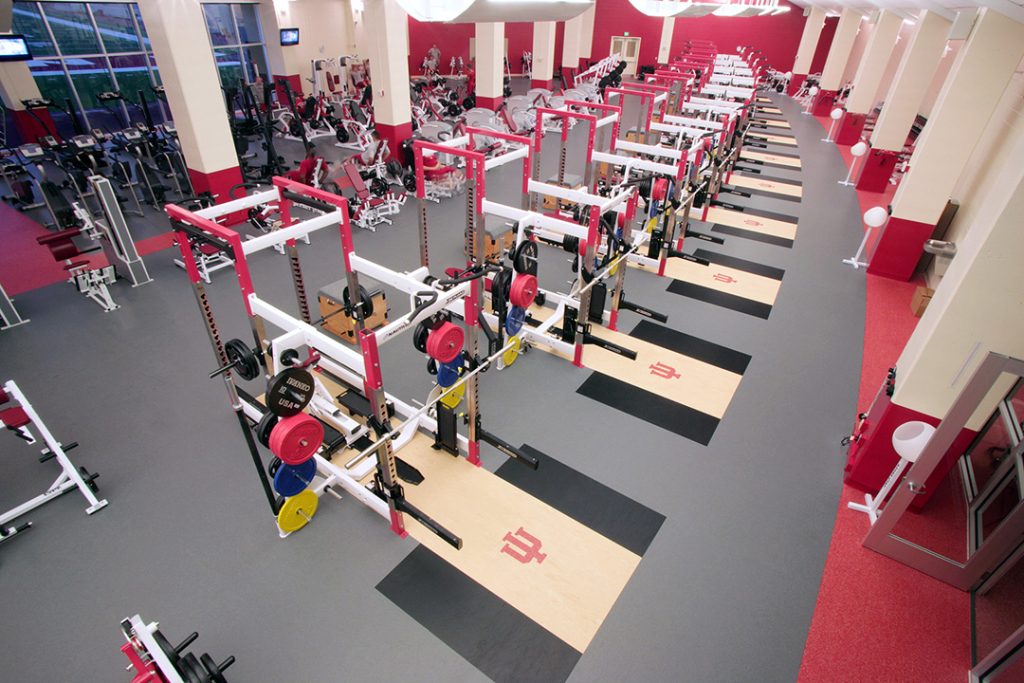
For weight rooms and free weight areas, Kiefer USA offers Mondo rubber surfaces and recycled rubber flooring designed to absorb impact, withstand dropped weights, reduce noise and vibration, and provide reliable traction. Options include Mondo Sport Impact, Mondo Ramflex, and Mondo Valor, as well as Tuff-Lock interlocking tiles and APEX recycled rubber for facilities seeking modular or recycled flooring.
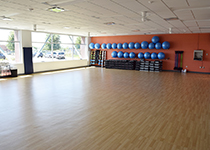
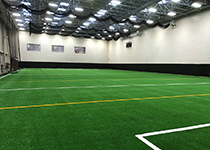
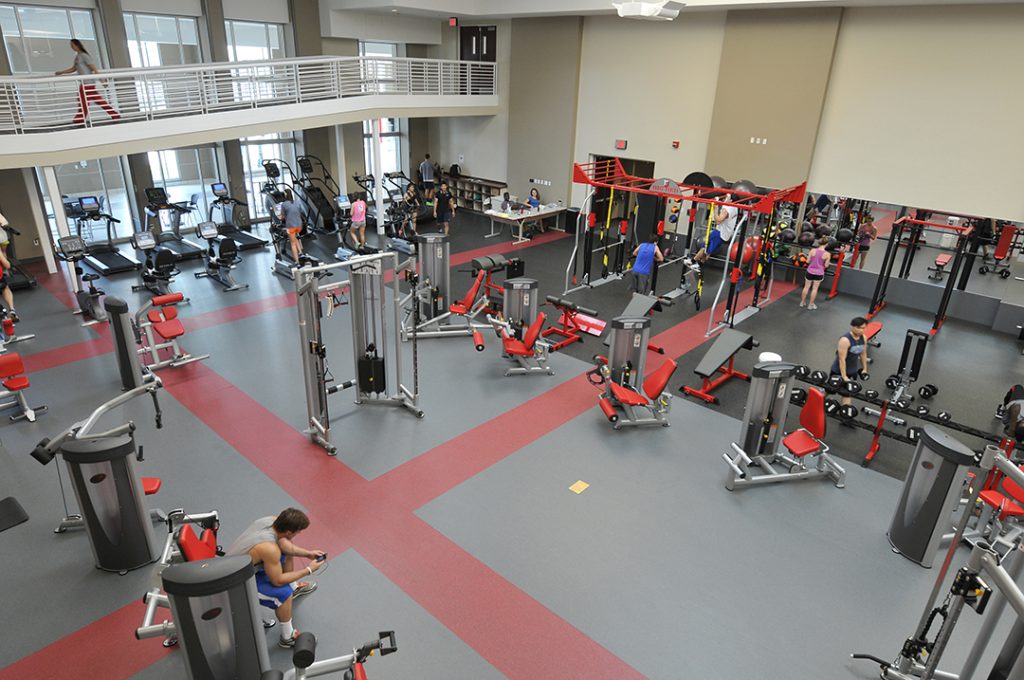
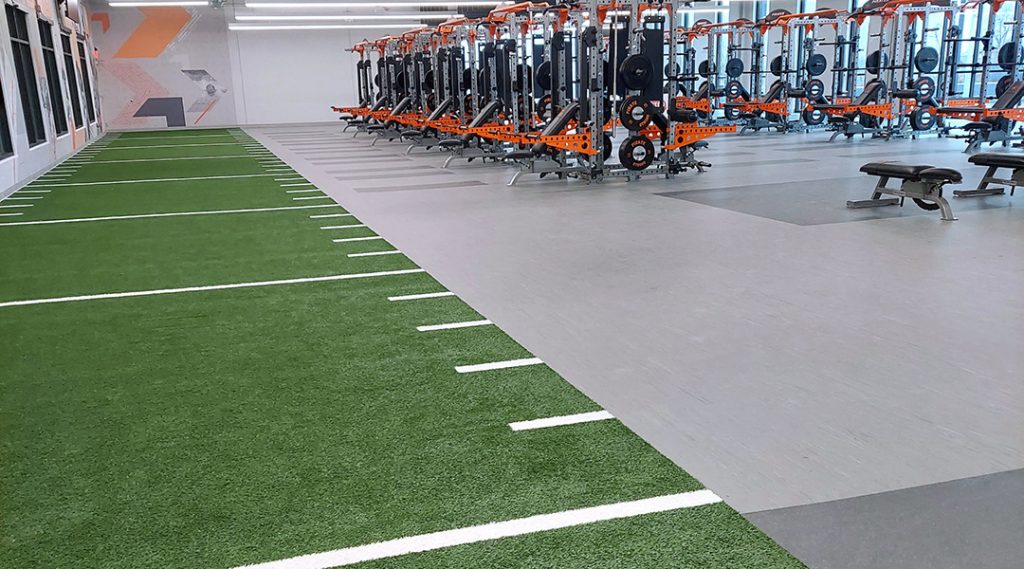
Group X and dance studios benefit from resilient flooring systems that help reduce impact stress during high-energy movement. Functional training areas can incorporate indoor turf, while locker rooms can use non-porous flooring that eliminates the need for coatings. After installation, Kiefer USA also offers maintenance services and cleaning products to help protect your investment and extend the life of your new flooring.
Fitness Flooring Solutions by Facility Area
| Facility Area | Flooring Considerations | Kiefer USA Options |
|---|---|---|
| Weight Rooms & Free Weight Areas | Impact absorption, durability, noise and vibration reduction, traction | Mondo Sport Impact, Mondo Ramflex, Mondo Valor, Tuff-Lock, APEX recycled rubber |
| Group X & Dance Studios | Impact reduction, comfort, movement and performance | Resilient fitness flooring systems |
| Functional Training Areas | Traction, durability and support for varied training activities | Indoor turf and resilient flooring options |
| Locker Rooms | Moisture resistance, durability and easier maintenance | Non-porous flooring systems |
Book a Facility Flooring Evaluation
If your flooring shows several of the warning signs covered in this guide, it’s worth having a professional evaluate its condition before small problems turn into larger repairs or safety concerns. Kiefer USA can assess your existing flooring and subfloor, identify areas that may be repaired, and recommend replacement solutions based on how each space is used. Whether you’re updating a single workout area or planning a facility-wide flooring project, the right surface can help protect members, support performance, and reduce long-term maintenance demands.
Call Kiefer USA at (800) 322-5448 or schedule a facility flooring evaluation to discuss your project.
Signs of a Failing Fitness Floor FAQs
When should you replace gym flooring?
Replace gym flooring when damage keeps returning after repairs or creates a safety hazard. Common triggers are seams that will not stay down, permanent dents, cracked or hardened rubber, slick areas, odor that survives cleaning, and moisture under the surface.
How long does fitness flooring last?
It depends on the product, the traffic, and how the floor is maintained. Free weight and drop zones wear out well before cardio and stretching areas in the same club. Your installation date and the manufacturer’s warranty are the best starting points for judging remaining life.
Can a gym floor be repaired instead of replaced?
Yes, when the damage is isolated. A single lifted seam, a few damaged tiles, or a worn wood finish can often be repaired or refinished. Replacement makes more sense when problems are widespread, keep coming back, or involve moisture or the subfloor.
Can you replace fitness flooring one area at a time?
Yes. Many clubs replace the highest-wear zones first, such as free weight areas and lifting platforms, then phase in the rest. Phasing spreads out the cost and lets most of the facility stay open during installation.
What is the best gym floor for a weight room?
Dense rubber flooring for weight rooms is the standard choice for weight rooms because it absorbs impact, protects the subfloor, reduces noise, and provides traction. Thickness and construction should match how heavy the lifting is and whether weights are dropped.

Kiefer USA is a leading athletic surface design and sports flooring installation company. Amber Stromberg is a Director of Marketing. 10 Years with Kiefer. Favorite Hobby: working out and spending time with her kids and family.